

Product Overview
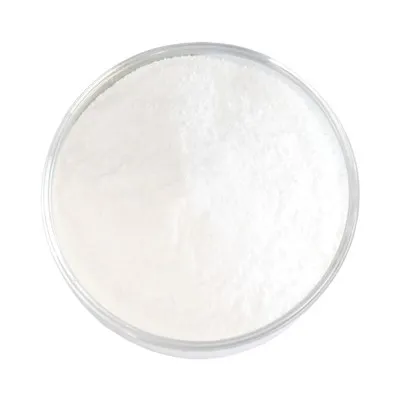
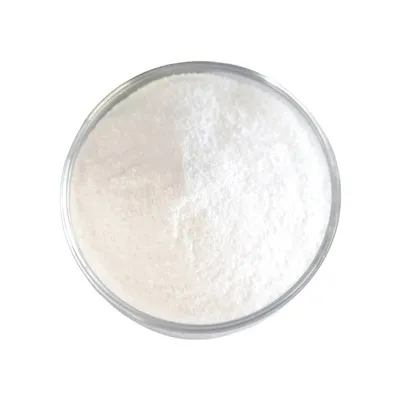
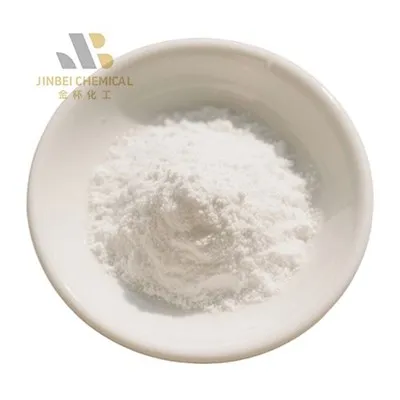
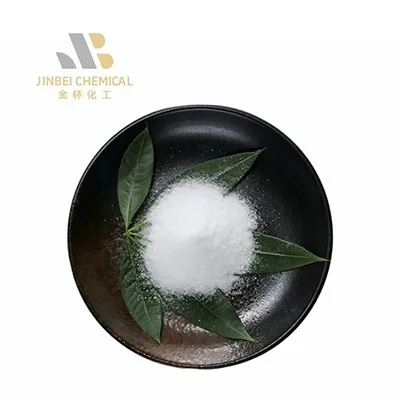
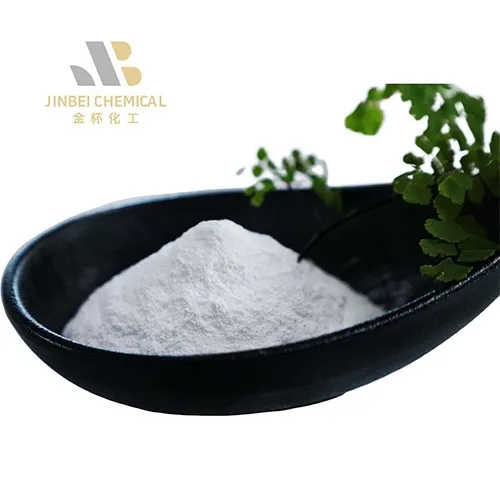
Sucralose is an artificial sweetener produced from sucrose by selective chlorination, applied as a high-intensity sweetener in food and beverage manufacturing.
Technical Specifications
|
Category |
Parameter |
Specification |
|
Identity |
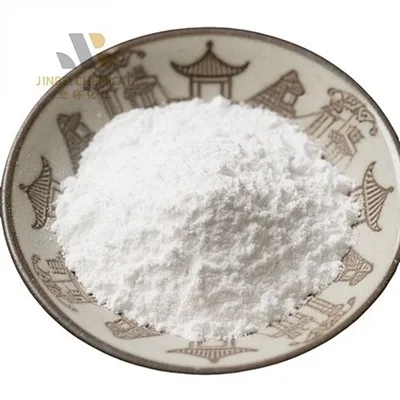
Appearance |
White to off-white crystalline powder |
|
Odor & Taste |
Odorless, intense sweet taste (~600× sucrose) |
|
|
Purity & Quality |
Assay |
98.0%–102.0% (dry basis) |
|
Specific Rotation |
+84.0° to +87.5° |
|
|
Loss on Drying |
≤2.0% |
|
|
Sulfated Ash |
≤0.7% |
|
|
Hydrolysis Products |
≤0.1% |
|
|
Related Substances |
≤0.5% |
|
|
Residual Solvent (Methanol) |
≤0.1% |
|
|
Safety & Contaminants |
Lead (Pb) |
≤1.0 mg/kg |
|
Arsenic (As) |
≤3.0 mg/kg |
|
|
Total Heavy Metals |
≤10 mg/kg |
|
|
Microbiological |
Total Plate Count |
≤250 cfu/g |
|
Moulds & Yeasts |
≤50 cfu/g |
|
|
E. coli |
Negative |
|
|
Salmonella |
Negative |
|
|
Functionality |
Solubility |
28.3 g/100 mL (20°C), freely soluble |
|
pH Stability |
3.0–7.0 |
|
|
Thermal Stability |
>125°C |
Compliance & Certifications
Global Food Safety
Facility holds FSSC 22000 and BRCGS certifications for specialized food additive manufacturing.
Process Quality Control
Synthesis and crystallization processes conform strictly to audited ISO 9001 management standards.
Dietary Market Access
This technical ingredient satisfies religious dietary requirements under valid Kosher and Halal programs.
Clean Label Formulations
Verified Non-GMO status allows identity-preserved blending in reduced-calorie formulations.
US Regulatory Status
Holds US FDA GRAS status for permitted food and beverage applications.
European Union Alignment
Fully complies with EFSA specifications governing permitted high-intensity food additives.
Manufacturing & Quality Control
Automated Chlorination
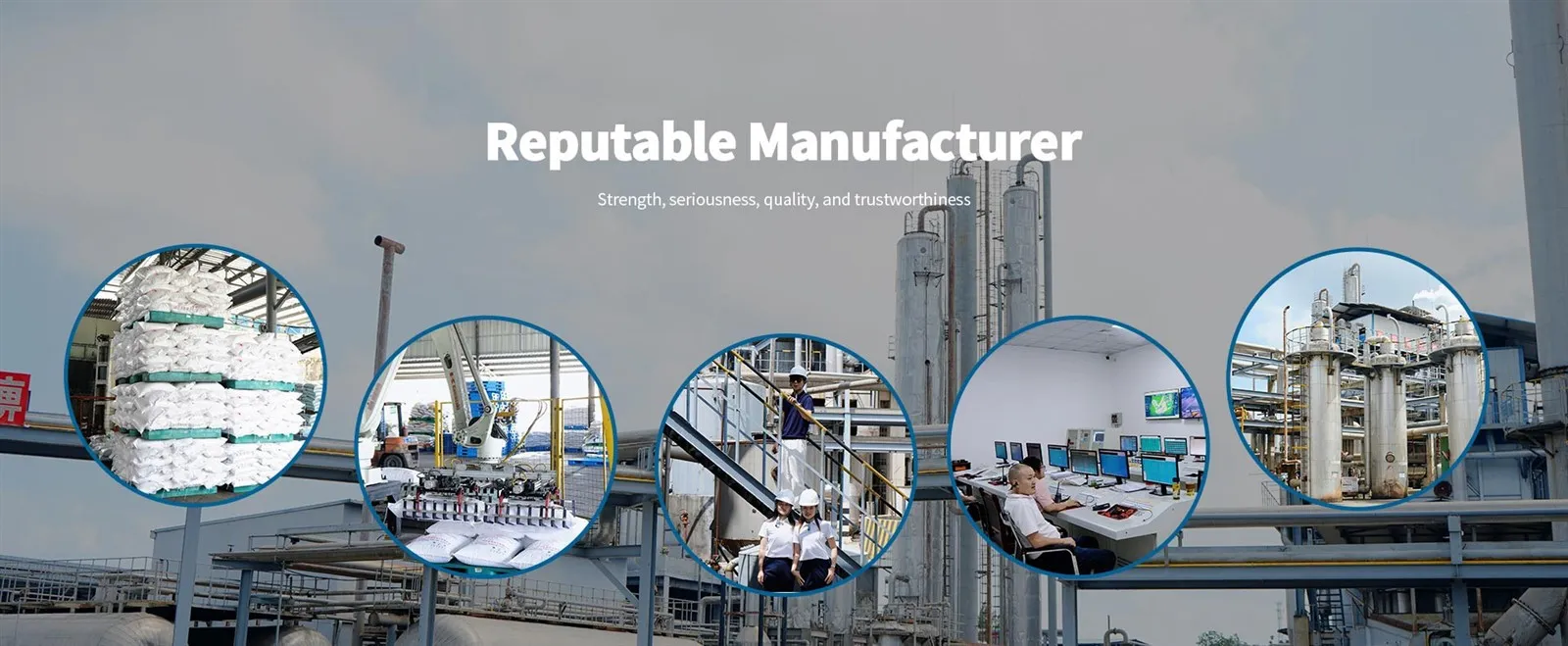
Automated closed-loop systems control sucrose chlorination parameters and by-product formation.
Controlled Crystallization
Purification occurs in classified cleanrooms utilizing multi-stage crystallization for high-purity yield.
In-Process Chromatography
Automated HPLC monitoring tracks conversion rates and intermediate purity during synthesis.
Quality Assurance
Every shipment is accompanied by a lot-specific Certificate of Analysis (COA).
Sustainability & ESG Compliance
|
Pillar |
Operational Commitment & Practice |
|
Environmental |
Wastewater plants neutralize chlorinated organic by-products before discharge. |
|
Closed-loop distillation systems recycle processing solvents to minimize industrial waste. |
|
|
Manufacturing facilities utilize automated thermal recycling to optimize synthesis steam consumption. |
|
|
Supply Chain |
Raw material procurement prioritizes suppliers adhering to sustainable agricultural practices. |
|
Governance & Safety |
Strict dust-control protocols mitigate chemical exposure and occupational hazards in processing zones. |
Custom Formulations & Blends
Synergistic Blends: Co-processed blends of Sucralose with Erythritol or Maltodextrin carriers at ratios of 1:100 or 1:10.
Particle Size Engineering: Supplying tailored particle sizes from 100-mesh granular formats down to sub-45 micron micronized powders.
Tableting Optimization: Adjusting bulk density between 0.4–0.6 g/cm³ to optimize compressibility for direct compression in tabletop sweetener manufacturing.
Dissolution Modification: Engineering specific porosity profiles to achieve rapid dispersion in instant beverage matrices within 15 seconds at ambient temperature.


FAQ
Hot Tags: sucralose, China sucralose manufacturers, factory, isomalt sugar free confectionery ingredient, pharmaceutical grade dextrose anhydrous, polydextrose bakery ingredient, polydextrose sugar replacement ingredient, sorbitol coating ingredient, sucralose food ingredient