

Product Overview
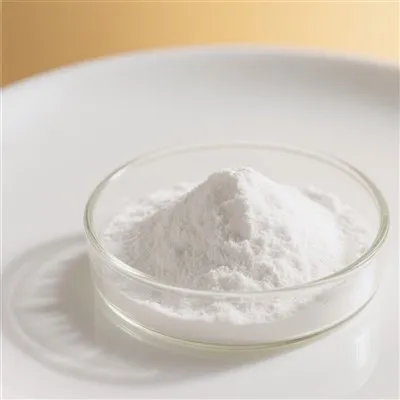
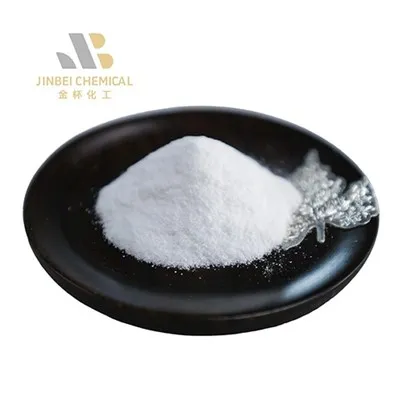
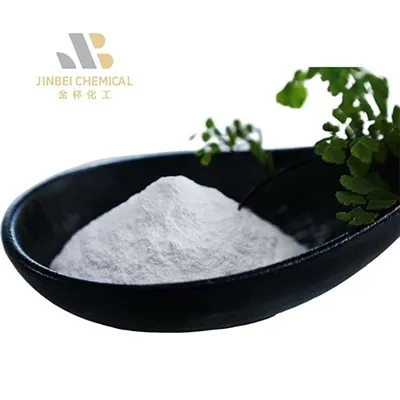
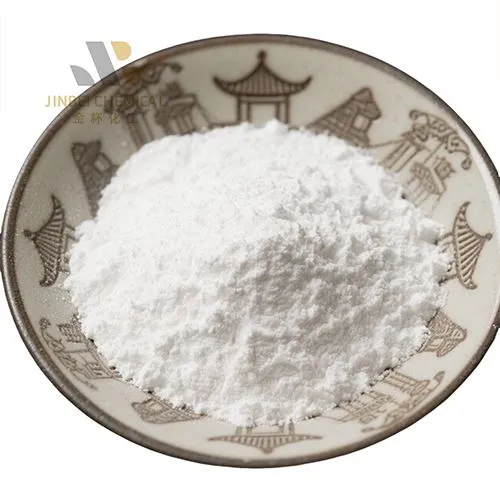
Dextrose Monohydrate is a highly purified crystalline glucose produced through the hydrolysis of starch and subsequent refining processes. It is widely used in food processing, beverage manufacturing, pharmaceuticals, fermentation industries, animal nutrition, and chemical applications.
Product Parameter
|
Name |
Dextrose monohydrate |
|
Chemical name |
Dextrose Monohydrate |
|
Chemical formula |
C6H12O6.H2O |
|
CAS. |
5996-10-1 |
|
EINECS. |
200-075-1 |
|
Appearance |
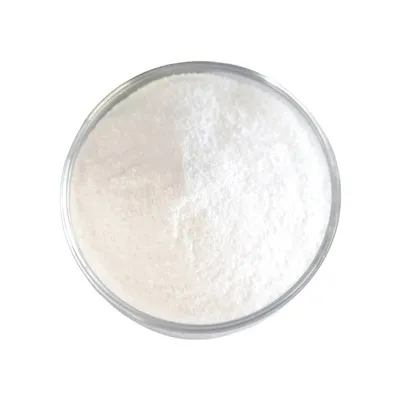
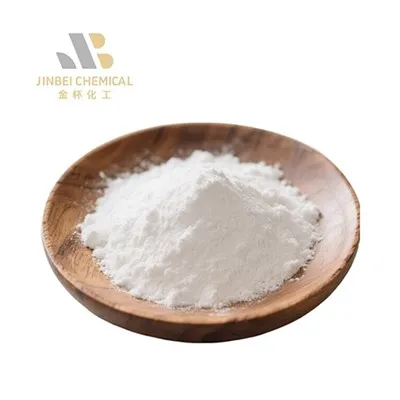
White powder |
|
Application |
Sweeteners, nutrients and fillers, leather reducing agents |
|
Solubility |
Soluble in water |
Key Features
High Purity
Contains high glucose content with consistent quality and low impurity levels.
Excellent Solubility
Dissolves quickly in water and provides stable performance in liquid formulations.
Fast Energy Source
Rapidly absorbed and metabolized, making it suitable for food, pharmaceutical, and feed applications.
Quality Assurance
Quality Management
Each batch undergoes comprehensive testing before shipment.
Production Standards
Manufactured according to internationally recognized quality management systems.
Traceability
Full batch traceability from raw materials to finished products.
Third-Party Inspection
SGS, BV, Intertek, and other inspection services available upon request.
Packaging & Storage

Packaging Options
25kg Kraft Paper Bag
25kg PP Woven Bag
500kg Jumbo Bag
1000kg Jumbo Bag
Storage Conditions
Store in a cool, dry, and well-ventilated warehouse. Protect from moisture and direct sunlight.
Shelf Life
24 months under recommended storage conditions.
Why Partner with Us
Scalable Production
Annual output of 400000MT, guaranteeing uninterrupted supply chains for large-scale buyers.
Strict Quality Control
Equipped with in-house HPLC labs; batch-to-batch consistency with fully traceable raw materials.
Global Compliance
Fully certified with ISO9001, HACCP, Halal, and Kosher. Third-party pre-shipment inspections (SGS/BV) are warmly welcomed.
Flexible OEM/ODM
Tailored particle sizes (mesh ranges) and customized packaging solutions to fit your specific formulation requirements.


FAQ
Hot Tags: dextrose monohydrate, China dextrose monohydrate manufacturers, factory, d allulose beverage formulation, d allulose fine powder, dextrose anhydrous powder, maltitol crystalline powder, maltodextrin granules, polydextrose sugar reduction ingredient