

Product Overview
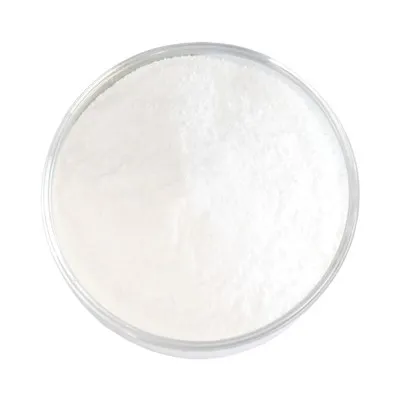
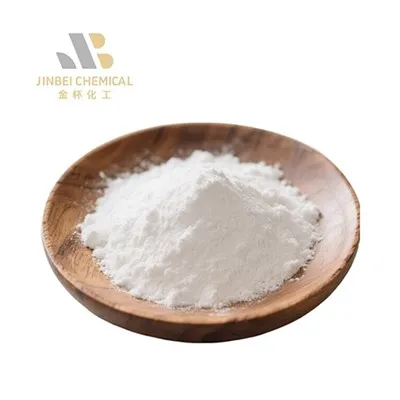
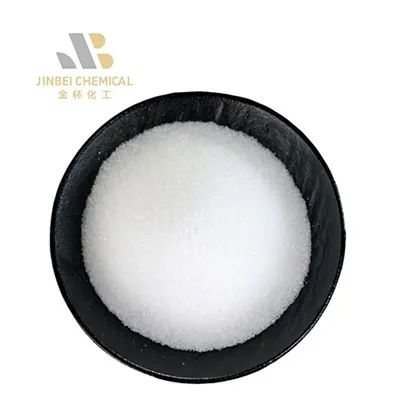
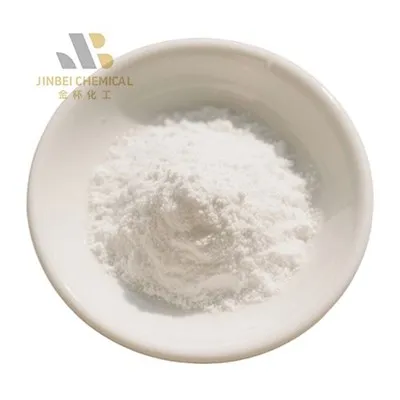
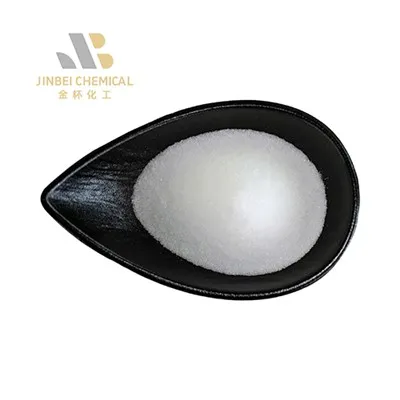
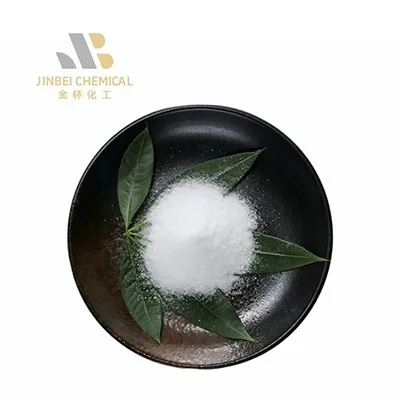
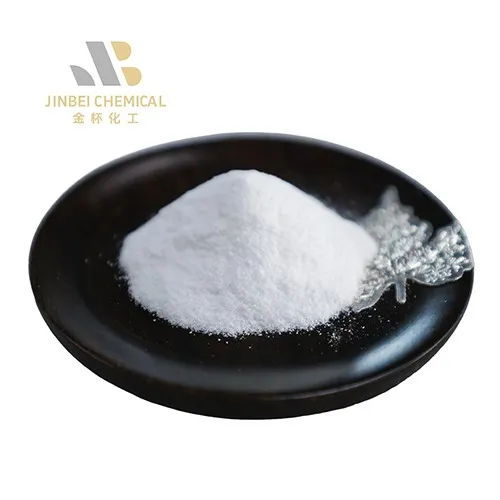
Stevia is a plant-derived sweetener composed of steviol glycosides, used at low levels in various formulations.
Technical Specifications
|
Parameter Category |
Technical Parameter |
Specification / Limit |
|
Sensory |
Appearance |
White to off-white crystalline powder or granules |
|
Odor & Taste |
Pure sweet taste, clean profile, no off-odors |
|
|
Composition |
Total Steviol Glycosides (TSG) |
≥ 95.0% |
|
Rebaudioside A Content (Reb A) |
≥ 97.0% |
|
|
Sweetness Equivalency |
Approx. 300 times (vs. 5% sucrose solution) |
|
|
Physical & Chemical |
Loss on Drying |
≤ 5.0% |
|
Total Ash |
≤ 1.0% |
|
|
Specific Rotation [α]D25 |
−30.0° to −38.0° |
|
|
Melting Range |
196°C to 202°C |
|
|
pH (1% aqueous solution) |
4.5 to 7.0 |
|
|
Heavy Metals |
Total Heavy Metals (as Pb) |
≤ 10 ppm |
|
Lead (Pb) |
≤ 1.0 ppm |
|
|
Arsenic (As) |
≤ 1.0 ppm |
|
|
Microbiological |
Total Plate Count |
≤ 1,000 cfu/g |
|
Molds & Yeasts |
≤ 100 cfu/g |
|
|
E. coli |
Negative / 25 g |
|
|
Salmonella |
Negative / 25 g |
|
|
Stability |
Thermal Stability |
Stable up to 200°C (no degradation) |
|
pH Stability Range |
3.0 to 9.0 |
Compliance & Certifications
|
Category |
Compliance Statement |
|
Global Food Safety Standards |
Certified under FSSC 22000 and BRCGS for food manufacturing |
|
Regulatory Status |
Documented as FDA GRAS notified and compliant with European Food Safety Authority (EFSA) criteria |
|
Monograph Compliance |
Meets physical and chemical specifications outlined in current FCC and USP monographs |
|
Dietary Certifications |
Validated with Kosher, Halal, and Non-GMO Project Verified documentation |
|
Chemical Contaminants |
Monitored to meet strict EP and FDA limits for pesticide residues |
|
Heavy Metal Thresholds |
Batches consistently align with USP maximum allowable concentrations for elemental impurities |
Quality Assurance & Testing
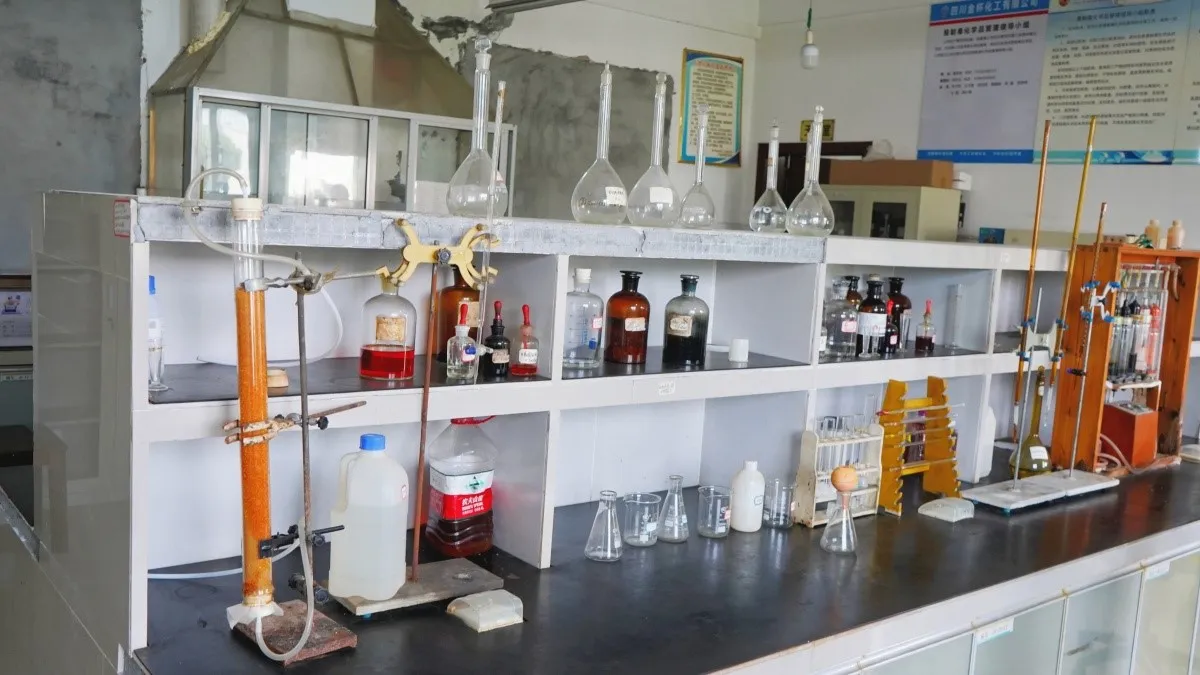
Laboratory Equipment
Uses calibrated HPLC to measure total steviol glycosides and monomer distribution.
Raw Material Control (IQC)
Raw Stevia leaves undergo botanical identification and glycoside content verification.
In-Process Testing (IPQC)
Monitors desorbed macroporous resin eluents and membrane filtration separation efficiency during refining phases.
Final Outgoing QC (OQC)
Finished lots pass organoleptic screening to evaluate and control natural lingering bitterness.
Batch Documentation
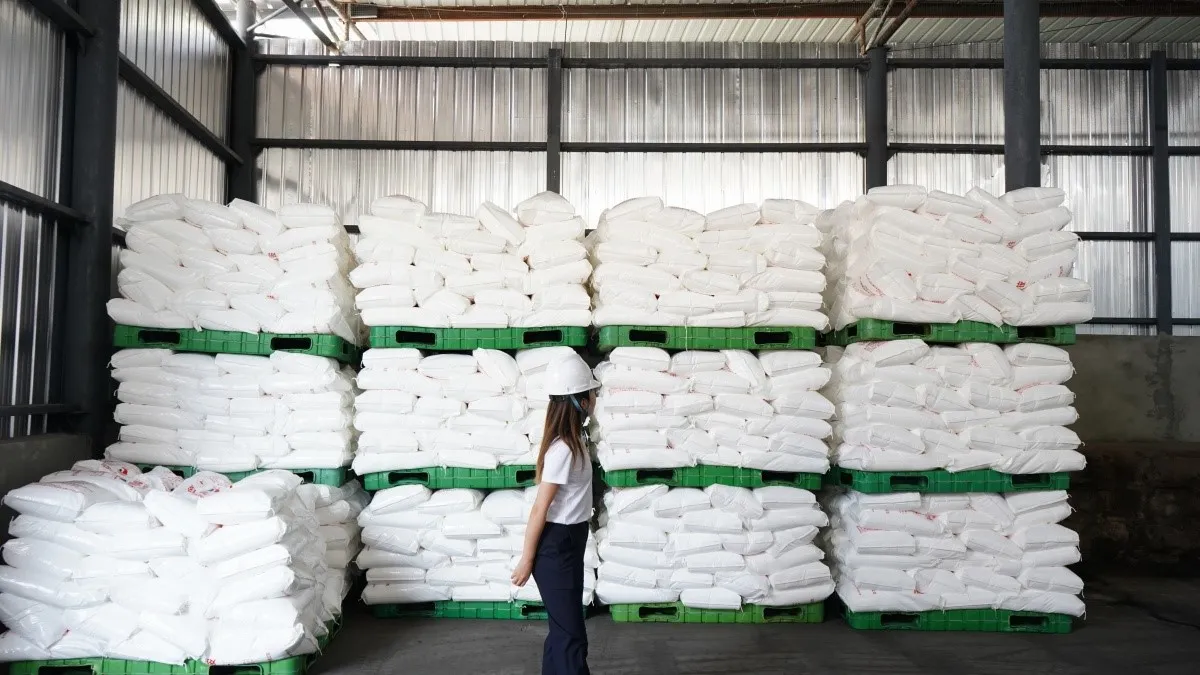
Each dispatched cargo lot is accompanied by a comprehensive, factory-signed Certificate of Analysis.
Applications
|
Application Sector |
Usage |
Benefit |
|
Beverages |
Sucrose replacement in drinks |
Reduces calories, maintains sweetness |
|
Dairy Products |
Flavored yogurts and milk |
Reduces sugar, preserves texture |
|
Bakery & Confectionery |
Baked goods, candies, chocolate |
Maintains sweetness under heat |
|
Tabletop Sweeteners |
Soluble powders, drops, sachets |
Zero-glycemic option |
|
Tablets & Syrups |
Pharmaceutical coatings and liquids |
Masks bitterness |
Sustainability & Corporate Responsibility
Water Management
Extraction wastewater is treated and reused for factory cooling.
Agricultural Sourcing
Supply chains utilize contract farming frameworks promoting crop rotation and soil conservation practices.
Solvent Reduction
Production lines use water-based extraction technology, eliminating standard chemical solvents.
Energy Efficiency
Biomass waste from post-extracted plant residue is repurposed to supplement factory thermal energy.


FAQ
Hot Tags: stevia, China stevia manufacturers, factory