

Product Overview
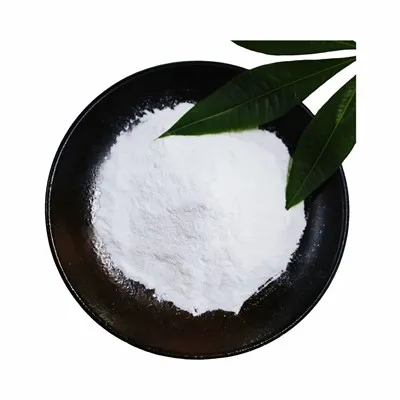
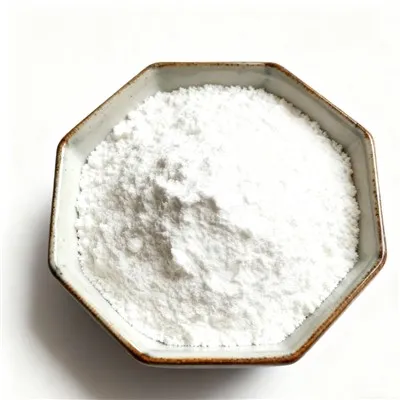
L-Aspartic Acid is a proteinogenic, non-essential amino acid applied in the synthesis of pharmaceuticals, sweeteners, and biodegradable polymers.
Technical Specifications
|
Category |
Parameter |
Specification / Typical Value |
|
Physical & Chemical Properties |
Chemical Name |
L-2-Aminobutanedioic acid |
|
Molecular Formula |
C4H7NO4 |
|
|
Molecular Weight |
133.10 |
|
|
CAS Number |
56-84-3 |
|
|
Appearance |
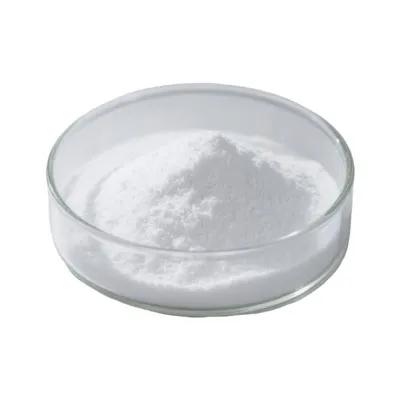
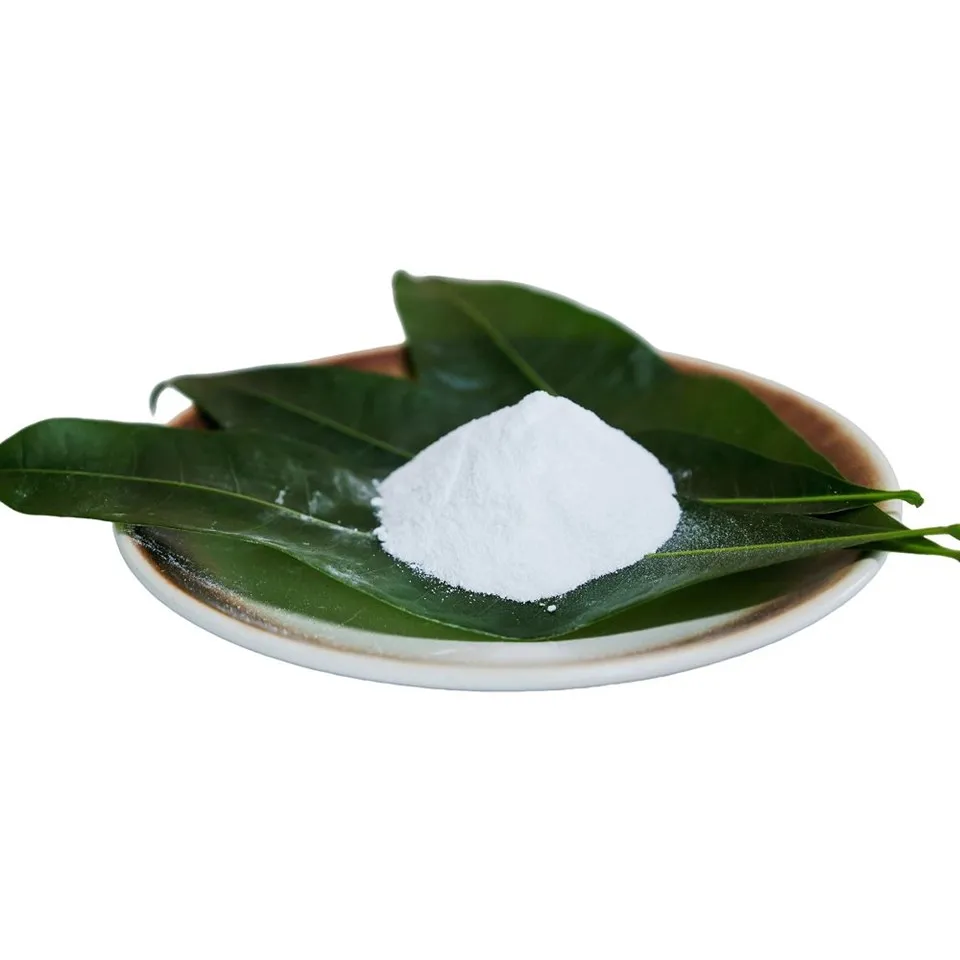
White crystals or crystalline powder |
|
|
Quality & Purity Standards |
Assay |
99.0%–101.5% |
|
Specific Optical Rotation ([α]D25) |
+24.0° to +26.0° |
|
|
Transmittance |
≥98.0% |
|
|
Loss on Drying |
≤0.20% |
|
|
Residue on Ignition |
≤0.10% |
|
|
pH Value |
2.5–3.5 |
|
|
Inorganic Impurities |
Chloride (as Cl−) |
≤0.02% |
|
Sulfate (as SO4²−) |
≤0.02% |
|
|
Ammonium (as NH4+) |
≤0.02% |
|
|
Iron (as Fe) |
≤10 ppm |
|
|
Organic Impurities & Safety |
Other Amino Acids |
Individual ≤0.5%, Total ≤2.0% |
|
Heavy Metals (as Pb) |
≤10 ppm |
|
|
Lead (Pb) |
≤3 ppm |
|
|
Arsenic (as As) |
≤1 ppm |
|
|
Microbiological Limits |
Total Plate Count |
≤1,000 cfu/g |
|
Mold & Yeast |
≤100 cfu/g |
|
|
E. coli |
Negative |
|
|
Salmonella |
Negative |
Quality Control & Certifications
GMP Compliance: Good Manufacturing Practices control batch-by-batch testing of isomeric purity.
CEP/ASMF Documentation: Regulatory master files record control and limits of trace chemical impurities.
FSSC 22000 Standards: Protocols control microbial contamination within the production facility.
ISO 9001 Oversight: The quality management system controls critical crystallization parameters during manufacturing.
ISO 14001 Framework: Environmental management systems control neutralization of acidic synthesis effluents.
Production Capacity & Facilities
Annual Capacity
The facility maintains an annual production capacity of 5,000 metric tons.
Automated Bioreactors
Automated fermentation units regulate nutrient feed to control precursor yield and consistency.
Chiral Refining Suites
Dedicated crystallization lines isolate the target enantiomer to maintain chiral purity.
DCS Process Control
Distributed Control Systems regulate pH shifts during compound precipitation.
Lot Traceability
Digital systems track chemical batches from raw materials to final shipment.
Supply Chain & Logistics
Standard Packaging
Packaging: 25kg multi-layer paper bags and 1,000kg palletized supersacks with moisture-barrier liners.
Storage Conditions
Controlled dry warehouses limit moisture absorption and maintain crystalline structure stability.
Shelf Life
Properly sealed containers support chemical stability for up to twenty-four months from manufacture.
Incoterms Flexibility
Standard shipping terms include FOB, CIF, and CFR under Incoterms.
Port Logistics
Regular container schedules provide consistent transit times to major European and American ports.
Applications
|
Industry / Application |
How It Is Used |
|
Pharmaceuticals |
Substrate for active pharmaceutical ingredient (API) synthesis. |
|
Food & Beverage |
Raw material for producing the sweetener aspartame. |
|
Industrial Polymers |
Monomer for synthesizing biodegradable polyaspartic acid. |
|
Agriculture |
Component in specialized micronutrient fertilizer chelates. |
|
Animal Nutrition |
Nutritional additive for balanced livestock feed formulations. |
FAQ
Hot Tags: l-aspartic acid, China l-aspartic acid manufacturers, factory, bcaa amino acid premix, branched chain amino acid ingredient, creatine anhydrous active ingredient, feed grade l isoleucine, l leucine bioprocess ingredient, l valine chiral building block