

Product Overview
A USP/EP-grade L-Arginine produced through microbial fermentation for pharmaceutical and dietary supplement applications.
Technical Specifications
|
Parameter Category |
Test Item |
Specification / Limit |
|
Physical & Chemical Properties |
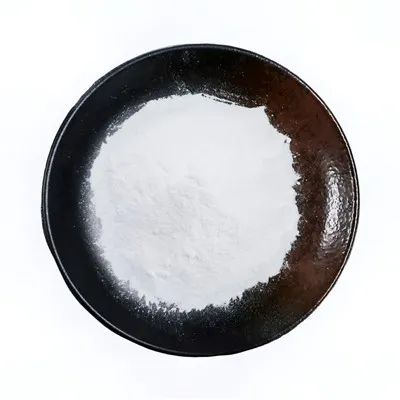
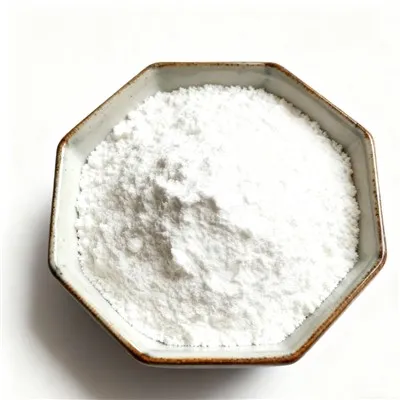
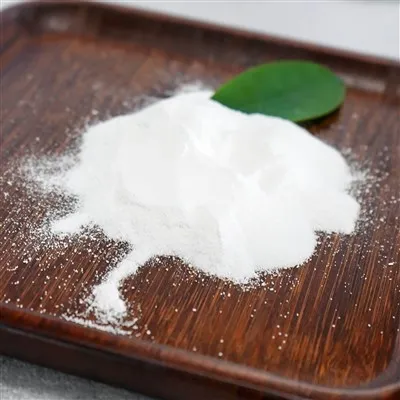
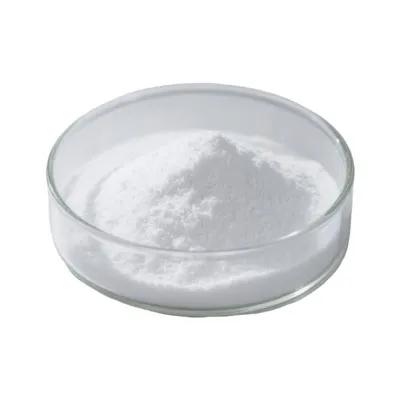
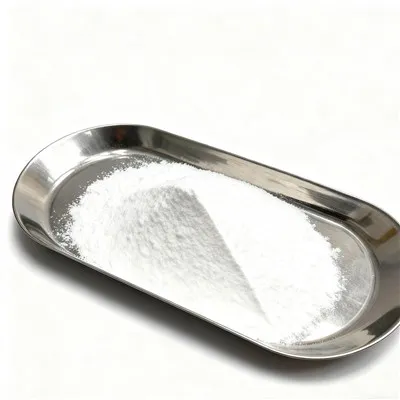
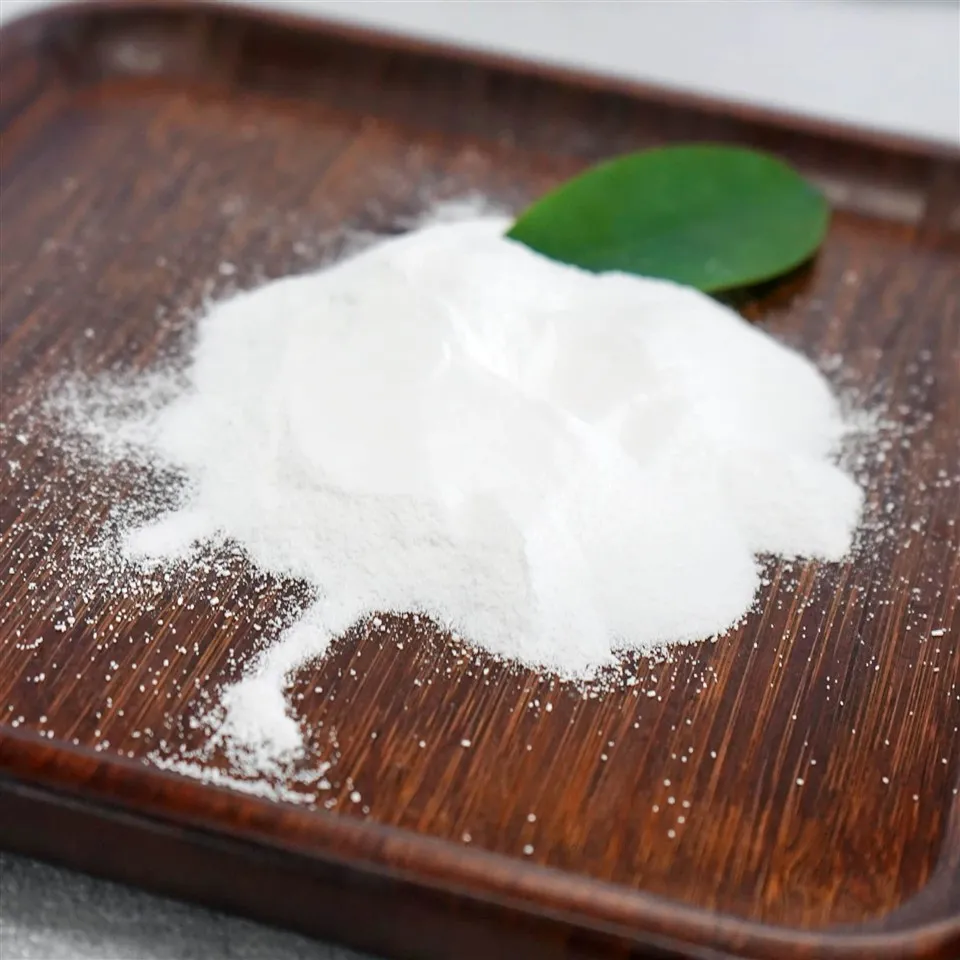
Appearance |
White or almost white crystalline powder or colorless crystals |
|
Assay (Purity, on dried basis) |
99.0%–101.0% |
|
|
Specific Optical Rotation [α]D20 |
+26.9° to +27.9° |
|
|
State of Solution (Clarity) |
Clear and colorless (≥98.0% transmittance) |
|
|
pH Value (1% aqueous solution) |
10.5–12.0 |
|
|
Loss on Drying |
≤0.50% |
|
|
Residue on Ignition (Sulfated Ash) |
≤0.10% |
|
|
Purity & Impurity Control |
Ammonium (NH₄) |
≤0.02% |
|
Chloride (Cl) |
≤0.02% |
|
|
Sulfate (SO₄) |
≤0.02% |
|
|
Iron (Fe) |
≤10 ppm |
|
|
Related Substances (Other Amino Acids) |
Individual Impurity: ≤0.5%; Total Impurities: ≤2.0% |
|
|
Heavy Metals Control |
Total Heavy Metals (as Pb) |
≤10 ppm |
|
Lead (Pb) |
≤1.0 ppm |
|
|
Arsenic (As) |
≤1.0 ppm |
|
|
Mercury (Hg) |
≤0.1 ppm |
|
|
Cadmium (Cd) |
≤1.0 ppm |
|
|
Microbiological Limits |
Total Aerobic Microbial Count (TAMC) |
≤1,000 cfu/g |
|
Total Combined Yeasts/Molds (TYMC) |
≤100 cfu/g |
|
|
Escherichia coli |
Negative / 10 g |
|
|
Salmonella spp. |
Negative / 25 g |
|
|
Staphylococcus aureus |
Negative / 10 g |
|
|
Physical Performance |
Particle Size (Mesh Options)* |
40–80 mesh (Standard Powder); 100 mesh / 200 mesh (Fine Powder); 20–40 mesh (Granular) |
|
Bulk Density |
0.45–0.65 g/mL |
|
|
Tapped Density |
0.65–0.85 g/mL |
Quality & Compliance
Regulatory Accreditations
Facility maintains ISO 22000, HACCP, Kosher, and Halal certifications.
Monograph Alignment
Analytical parameters follow USP, EP, and AJI monograph requirements.
Instrumentation Verification
In-house QA laboratories use HPLC, GC, and ICP-MS for batch testing.
Documentation Transparency
Batch traceability records and change control documents are available upon request.
Audit Accessibility
Onsite inspections and third-party quality audits can be arranged.
Manufacturing Capabilities
Fermentation Process Control
Automated pH control systems support stable fermentation conditions.
Crystallization Control
Multi-stage cooling systems help maintain consistent crystal formation.
Enclosed Material Transfer
Enclosed transfer systems reduce exposure to environmental moisture.
Humidity-Controlled Processing
Humidity-controlled areas support powder processing operations.
Automated Packaging
Automated sealing systems help maintain packaging integrity during storage.
Applications
|
Sector |
Method of Incorporation |
|
Sports Nutrition |
Blended into pre-workout dry powder mixes. |
|
Dietary Supplements |
Compressed into solid tablets or encapsulated. |
|
Pharmaceuticals |
Used in pharmaceutical formulation processes. |
|
Functional Food |
Formulated into protein bars and therapeutic beverages. |
|
Animal Nutrition |
Added to crystalline amino acid feed premixes. |
FAQ
Hot Tags: l-arginine, China l-arginine manufacturers, factory