

Product Overview
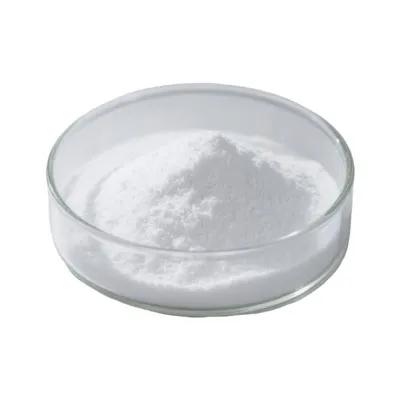
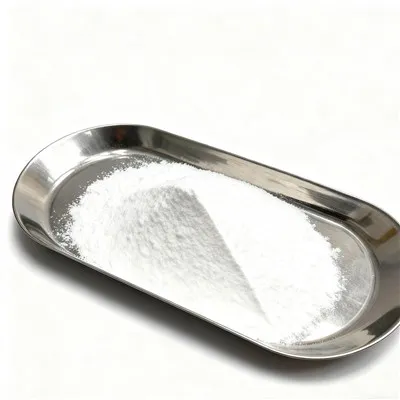
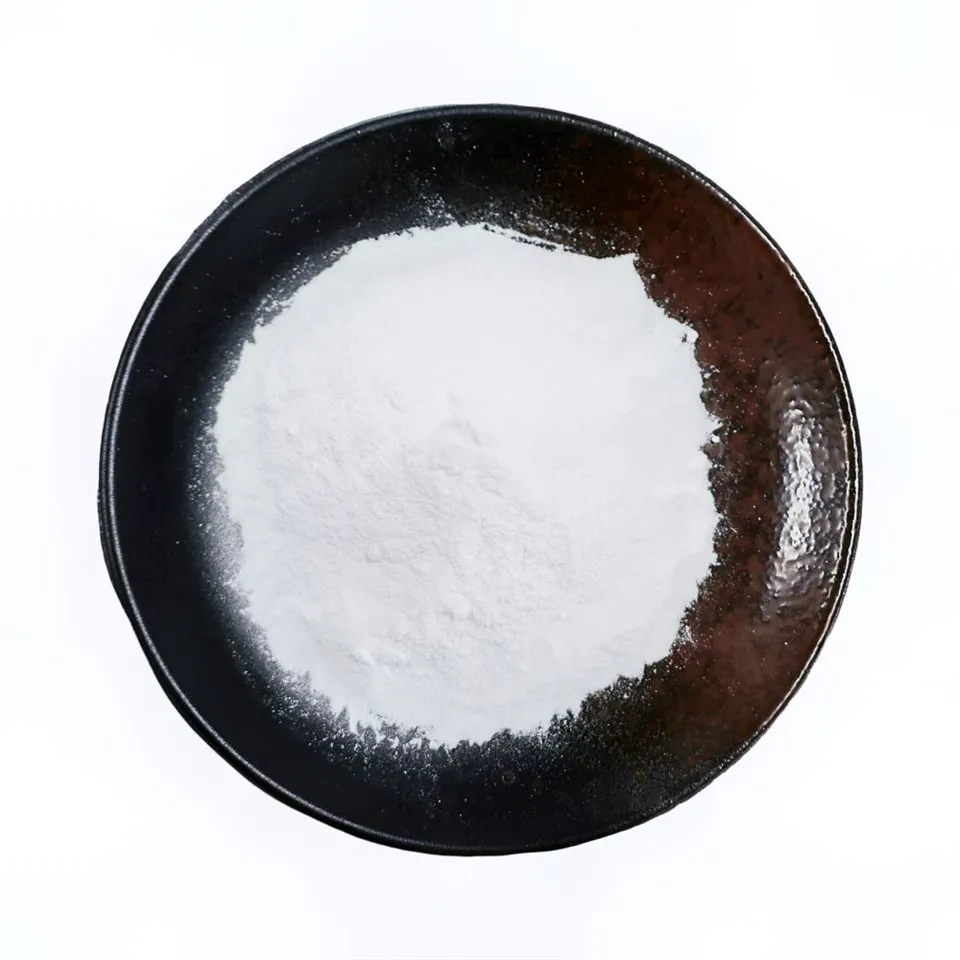
Glycine is a non-essential amino acid serving as a proteinogenic building block and functional intermediate in food, pharmaceutical and industrial applications.
Technical Specifications
|
Category |
Parameter / Test Item |
Specification Limit |
|
Core Purity & Assays |
Assay (on dried basis) |
98.5% – 101.5% |
|
pH (5% Aqueous Solution) |
5.5 – 6.5 |
|
|
Clarity and Color of Solution |
Clear and colorless (A430 ≤ 0.010) |
|
|
Process-Specific Impurities |
Monochloroacetic Acid (MCAA) |
≤ 5 ppm |
|
Iminodiacetic Acid (IDA) |
≤ 0.1% |
|
|
Glycine Anhydride |
≤ 0.1% |
|
|
Inorganic & Purity Controls |
Loss on Drying |
≤ 0.2% |
|
Residue on Ignition / Sulfated Ash |
≤ 0.1% |
|
|
Chloride (as Cl) |
≤ 0.007% (≤ 70 ppm) |
|
|
Sulfate (as SO₄) |
≤ 0.0065% (≤ 65 ppm) |
|
|
Ammonium (as NH₄) |
≤ 0.02% |
|
|
Heavy Metals Control |
Lead (Pb) |
≤ 1.0 ppm |
|
Arsenic (As) |
≤ 1.0 ppm |
|
|
Cadmium (Cd) |
≤ 0.5 ppm |
|
|
Mercury (Hg) |
≤ 0.1 ppm |
|
|
Microbiological Limits |
Total Plate Count |
≤ 1,000 cfu/g |
|
Molds & Yeasts |
≤ 100 cfu/g |
|
|
E. coli & Salmonella |
Negative |
|
|
Physical & Handling |
Mesh Sizing (Standard Crystalline) |
20 – 80 mesh (Customizable) |
|
Bulk Density |
0.85 – 1.05 g/mL |
Synthesis & Manufacturing Control
Synthesis Pathway Regulation
Dosing systems control chloroacetic acid and ammonia feed rates during synthesis.
Amination Temperature Stabilization
Cooling systems control reaction temperatures during amination processing.
Ammonium Chloride Segregation
Multi-stage crystallization separates inorganic salts from the refined Glycine stream.
Decolorization Carbon Filtration
Fixed-bed activated carbon columns remove reaction pigments to ensure solution clarity.
Quality Assurances & Compliance
MCAA Residual Quantification
GC-MS testing confirms monochloroacetic acid (MCAA) levels remain below 5 ppm.
Iminodiacetic Acid Assays
HPLC analysis monitors iminodiacetic acid (IDA) impurity levels.
Chloride Ion Argentometry
Potentiometric titration tracks trace chloride levels to meet electroplating grade specifications.
Crystalline Moisture Profiling
Loss-on-drying testing monitors moisture levels against specification limits.
Supply Chain & Packaging Reliability
Zwitterionic Compaction Prevention
Temperature and humidity controlled storage helps reduce crystal caking during storage.
Double-Layer HDPE Barriers
Automated packaging seals Glycine in double-layer HDPE liners to block moisture.
Nitrogen-Purged Bulk Silos
Bulk silos utilize nitrogen blanketing to reduce moisture exposure.
Buffer Stock Management
Regional warehouses maintain inventory levels to support shipment planning.
Seaworthy Desiccant Layouts
Shipping containers utilize calcium chloride desiccants to manage moisture during ocean transit.
FAQ
Hot Tags: glycine, China glycine manufacturers, factory, bcaa nutrient premix, l cysteine synthesis building block, l tyrosine amino acid additive, l tyrosine granules, sulfur containing chiral building block, taurine sports drink