Niacin
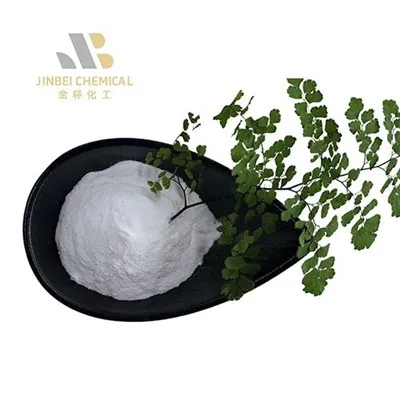
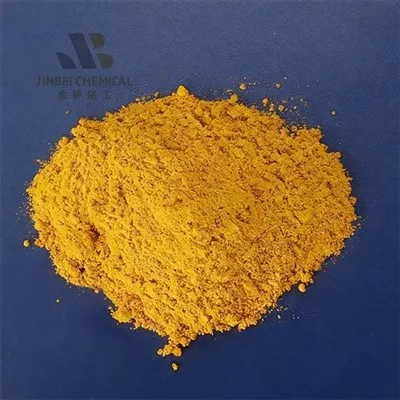
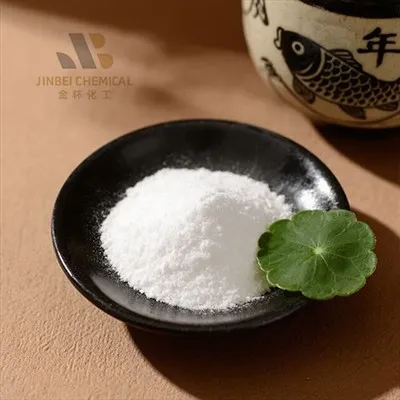
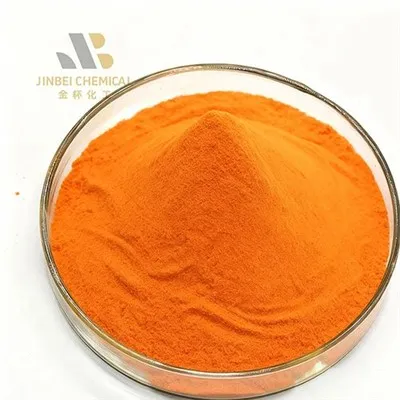
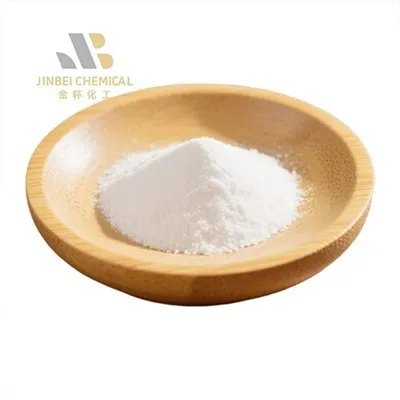
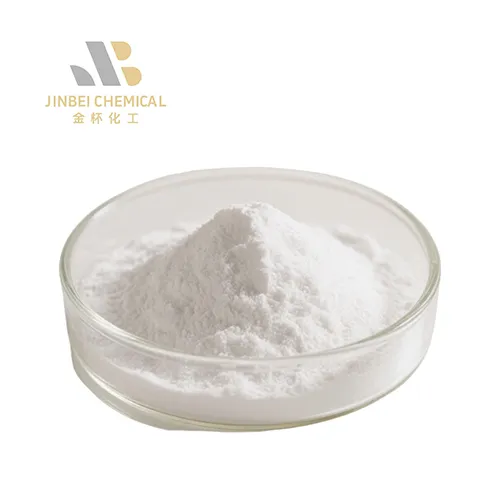
Niacin, also known as nicotinic acid or vitamin B₃, is one of the essential B vitamins for the human body. Its core function is to participate in energy metabolism, with the chemical formula C₆H₅NO₂, and it is a relatively simple structured B vitamin. As a water-soluble B vitamin, niacin mainly exists in two forms: naturally occurring in animals and plants, such as meat (especially poultry and fish), nuts, and legumes; industrially, it is mainly produced in the form of a white crystalline powder through synthetic methods. Niacin appears as a white crystalline powder, odorless or slightly odorous, tastes slightly acidic; it is easily soluble in water and ethanol, and its aqueous solution is acidic; it has strong heat resistance.

Main Application Fields
Prevention and treatment of niacin deficiency: Used to treat "pellagra" caused by niacin deficiency, whose symptoms include rough and scaly skin, diarrhea, neuritis, etc.; it can also prevent niacin deficiency in people with long-term alcoholism and malnutrition.
Lipid regulation: As a lipid-lowering drug, high-dose niacin (far exceeding daily dietary needs) can reduce "bad cholesterol" (low-density lipoprotein cholesterol, LDL) and triglycerides in the blood.
Auxiliary improvement of circulation: It can dilate peripheral blood vessels, improve local blood circulation, and is used to relieve symptoms such as migraine and Raynaud's syndrome (limb terminal circulation disorders).
Note: Medicinal niacin (especially high-dose) must be used under the guidance of a doctor to avoid side effects caused by self-medication.
Fortified food addition: Added to grains (such as breakfast cereals, flour), dairy products (such as milk, yogurt), and beverages to supplement niacin content in food, meet the daily dietary needs of the general public, and prevent group niacin deficiency.
Feed additive: Used in livestock, poultry, and aquatic feeds to supplement niacin for farmed animals, promote their growth and development, and prevent growth retardation and skin lesions caused by niacin deficiency in animals.
Although "niacin" itself is highly irritating, it mostly exists in the form of "niacinamide" (a derivative of niacin) in cosmetics, which has multiple skincare effects:
Oil control and acne removal: Regulates sebaceous gland secretion, reduces oil production, and improves acne-prone skin.
Whitening and lightening spots: Inhibits melanin transfer, reduces dark spots and skin dullness.
Barrier repair: Promotes the synthesis of skin stratum corneum lipids, enhances skin barrier function, and improves sensitive skin.

Product Parameter
|
CAS No. |
59-67-6 |
|
Purity |
Food Grade |
|
Type |
Nutrition Enhancers |
|
Place of Origin |
Shandong, China |
|
Classification |
Vitamins |
|
Other Names |
Vitamin B3 |
|
MF |
C6H5NO2 |
|
EINECS No. |
200-441-0 |
|
Grade Standard |
Cosmetic Grade; Food grade |
|
Appearance |
White Powder |
|
Application |
Health supplemens |
|
Certificate |
HALAL KOSHER ISO |
|
Packing |
25kg/bag |
|
MOQ |
27 MT |
|
Sample |
Available |
|
Shelf life |
2 years |
|
Packaging & Delivery |
Selling Units: Single item |


Hot Tags: niacin, China niacin manufacturers, factory