Vitamin B1
Vitamin B1, chemically known as thiamine, mainly exists in commercial applications in the form of thiamine hydrochloride or thiamine nitrate. As the first vitamin discovered by humans, vitamin B1 not only earned the fame of the "anti-beriberi vitamin," but also serves as an indispensable "energy switch" in modern food industry and clinical nutrition.

Main Application Fields
Vitamin B1 is abundant in natural ingredients such as grains, but refined processing (e.g., bran removal, polishing) and cooking (boiling, high temperature) can lead to significant losses. Therefore, food fortification is its primary application scenario.
Key Fortified Foods:
- Infant formula foods (milk powder, rice cereal): Prevent developmental delays in infants and young children caused by insufficient intake.
- Grain products: Fortified flour, fortified rice, breakfast cereals, and instant noodle seasoning packets, to compensate for vitamin B1 loss in refined grains.
- Functional foods: Sports drinks, meal replacement shakes, and nutritional foods for the elderly, providing vitamin B1 required for energy metabolism to high-energy-consuming groups (athletes) or groups with weak absorption capacity (the elderly).
Treatment of vitamin B1 deficiency: Formulated into tablets, injections, and oral solutions to treat "beriberi" (divided into "dry beriberi" - neurological damage such as numbness of hands and feet; "wet beriberi" - cardiovascular damage such as edema and palpitations), as well as neuritis and indigestion caused by deficiency.
Auxiliary improvement of fatigue and neurological issues: As a core component of complex B-complex vitamins, it is used to relieve physical fatigue (aiding energy metabolism) and improve insomnia and anxiety (maintaining nervous system function). Suitable for people who stay up late, work under high intensity, or drink alcohol for a long time.
Supplementation for special populations: Pregnant women, lactating women, diabetic patients (with vigorous carbohydrate metabolism leading to increased vitamin B1 consumption), and long-term diuretic users (prone to accelerated vitamin B1 excretion) require additional supplementation.
Added to the feed of livestock, poultry, and aquatic animals to prevent "polyneuritis" caused by vitamin B1 deficiency (e.g., chickens' "star-gazing" posture - neck twisting and looking up at the sky), stunted growth, and decreased egg production rate.
Common addition form: Combined with other B-complex vitamins into "vitamin premixes" and added to chicken feed, pig feed, and fish/shrimp feed. It is particularly crucial for the neurological development of chicks and piglets.

|
CAS No. |
59-43-8 |
|
Purity |
99%- 101.5% |
|
Type |
Nutrition Enhancers |
|
Place of Origin |
Shandong, China |
|
Classification |
Vitamins |
|
Other Names |
Vitamin B1 |
|
MF |
C12H17ClN4OS |
|
EINECS No. |
200-425-3 |
|
Grade Standard |
Food Grade |
|
Appearance |
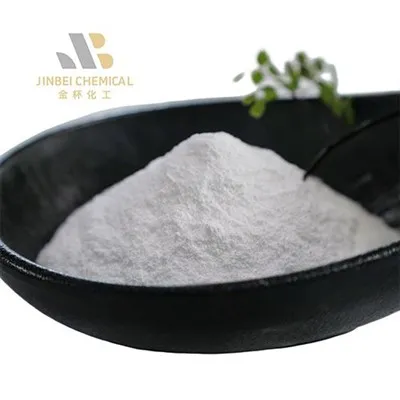
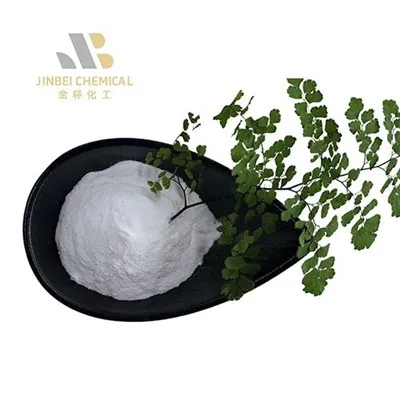
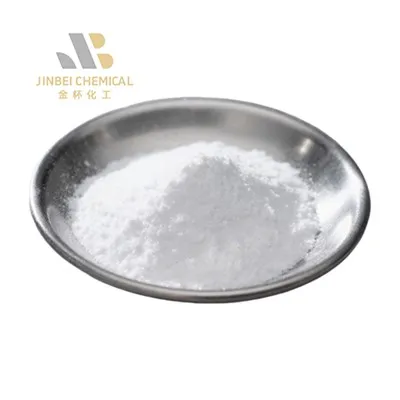
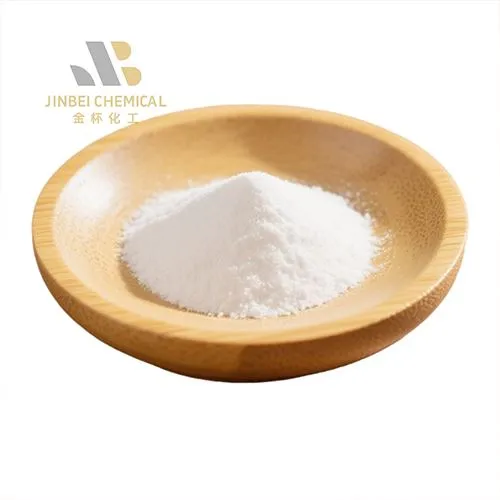
White Powder |
|
Application |
Men, Women, Middle-Aged and Elderly people, Adult, Teenagers Nutrition Enhancers |
|
Certificate |
HALAL KOSHER ISO |
|
Packing |
25kg/bag/drum |
|
MOQ |
27 MT |
|
Sample |
Available |
|
Shelf life |
2 years |
|
Packaging & Delivery |
Selling Units: Single item |


Hot Tags: vitamin b1, China vitamin b1 manufacturers, factory