

Vitamin D2
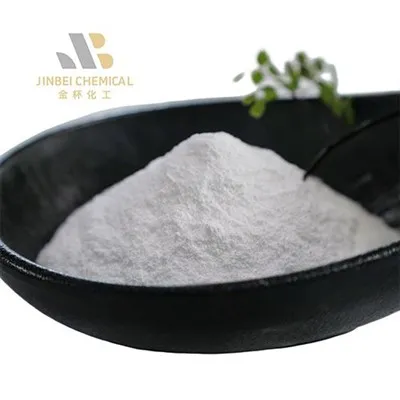
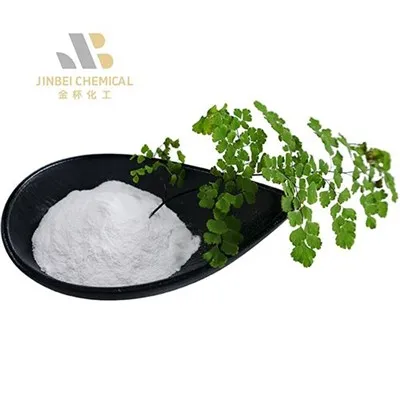
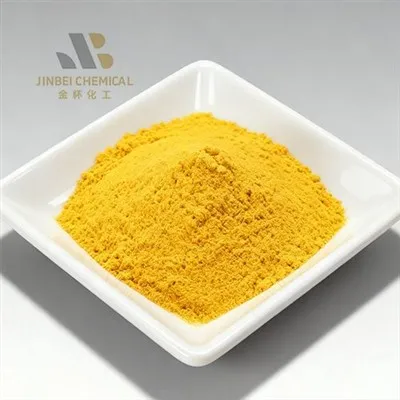
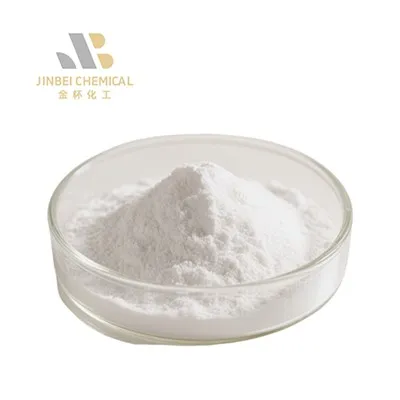
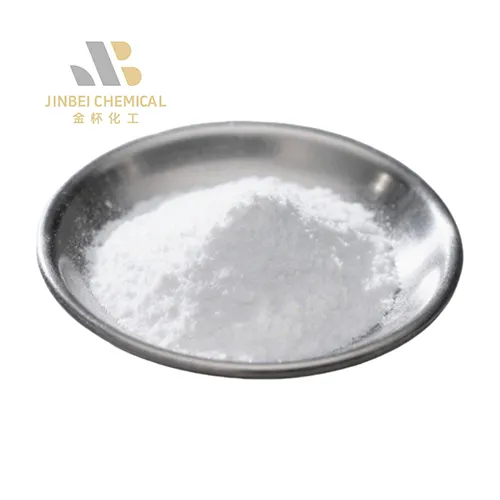
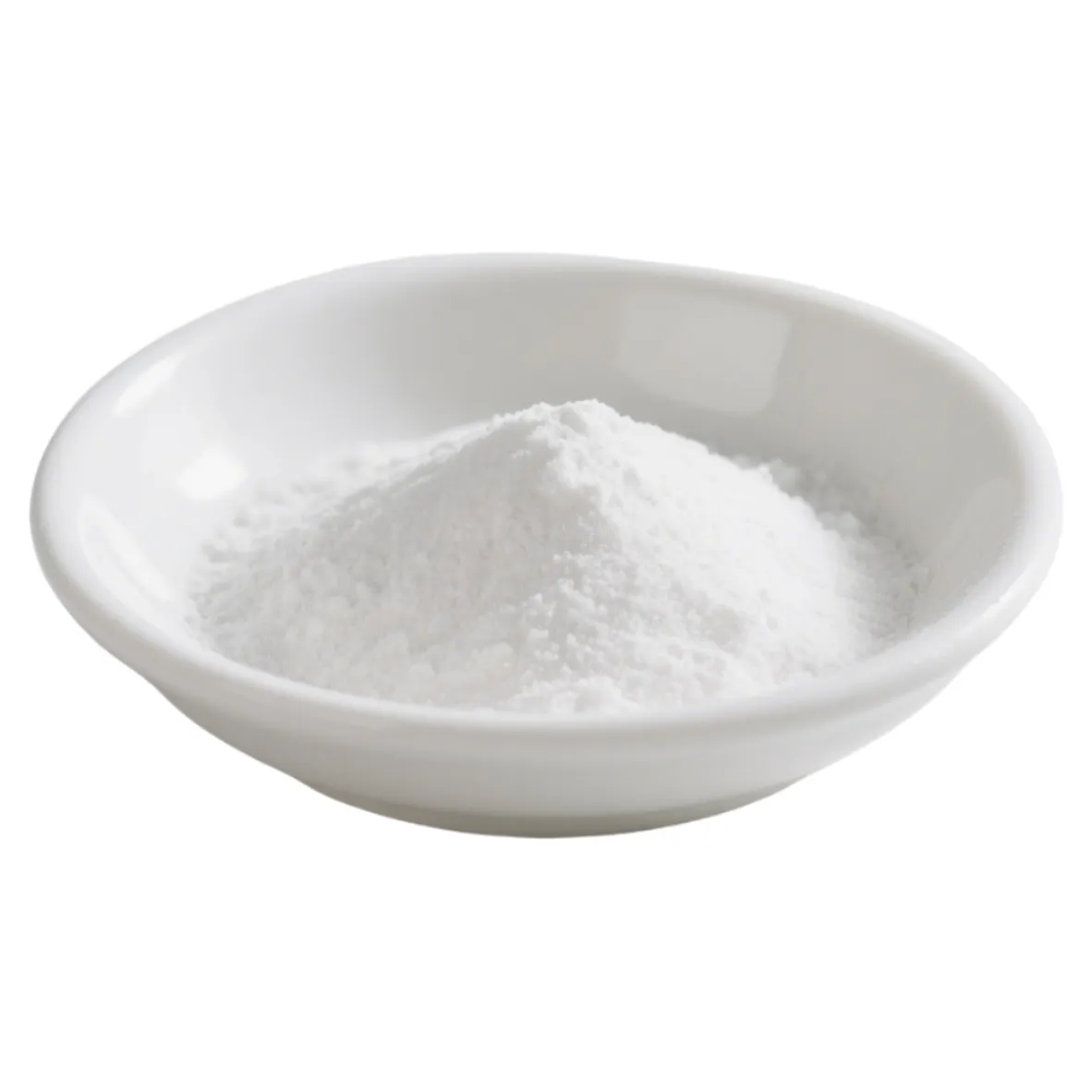
Vitamin D2 (Ergocalciferol) – Chemical formula: C₂₈H₄₄O. It is converted from ergosterol (present in fungi and plants) via ultraviolet irradiation, and is a typical "plant-sourced vitamin D" in the vitamin D family. As a fat-soluble vitamin, it appears as a white or off-white crystalline powder, odorless and tasteless, and tends to discolor (turn yellow or brown) when exposed to light.
Solubility: Insoluble in water, but easily soluble in organic solvents such as ethanol, ether, and vegetable oils. Its fat-soluble property dictates that it must be taken with fats for effective absorption (absorption rate can be increased by 30%-50%).
Stability: Sensitive to light, heat, and oxygen. Prolonged exposure to sunlight or high-temperature environments causes it to decompose and lose efficacy. Therefore, foods or supplements containing Vitamin D2 require light-proof and airtight packaging (e.g., brown glass bottles, aluminum-plastic blister packs), and antioxidants like Vitamin E should be added to extend shelf life.
Main Application Fields
As a plant-sourced vitamin D, Vitamin D2 primarily targets vegetarians and individuals who avoid animal-based foods. It compensates for the lack of vitamin D in natural foods through fortification (most natural plant-based foods have extremely low vitamin D content).
Key Fortified Foods:
- Plant-based foods: Plant milks (soy milk, almond milk, oat milk), vegetarian ice cream, and plant-based cream. Each 100mL of plant milk is typically fortified with 1-2μg (40-80 IU) of Vitamin D2, meeting the daily needs of vegetarians (the recommended daily intake for adults is approximately 5μg, equivalent to 200 IU).
- Grain products: Fortified breakfast cereals, fortified flour, and biscuits, especially suitable for children and the elderly (children need it to promote bone development, while the elderly have weak absorption capacity).
- Oils and fats: Fortified vegetable oils (e.g., soybean oil, sunflower seed oil). Oils serve as carriers for Vitamin D2, enhancing its stability and absorption rate. During cooking, it enters dishes along with the oils and is not easily inactivated by high temperatures (short-term high heat has minimal impact).
- Fortification Form: "Vitamin D2 oil solution" or "microencapsulated powder" is commonly used. Microencapsulation technology prevents Vitamin D2 from reacting with other food components, masks potential off-odors, and ensures the product's taste remains unaffected.
Treatment of Vitamin D Deficiency:
Rickets (infants and young children): Caused by insufficient calcium and phosphorus absorption due to vitamin D deficiency, leading to bone softening and deformation. Oral Vitamin D2 preparations (400-800 IU daily) are administered; high-dose pulse therapy is required for severe cases.
Osteomalacia and Osteoporosis (adults/elderly): Oral Vitamin D2 (800-1000 IU daily) is used in combination with calcium supplements to promote calcium absorption, increase bone mineral density, and reduce fracture risk.
Auxiliary Treatment of Other Diseases:
Renal Osteodystrophy: Patients with chronic kidney disease have impaired renal conversion of vitamin D. Supplementation with active Vitamin D2 or its derivatives is necessary to regulate calcium-phosphorus metabolism and prevent bone damage.
Hypoparathyroidism: Insufficient parathyroid hormone causes calcium-phosphorus disorders. Vitamin D2 supplementation promotes intestinal calcium absorption and maintains normal blood calcium levels.
Supplement Forms: Common forms include capsules (containing Vitamin D2 oil solution), drops (suitable for infants and young children), and tablets.
Added to the feed of chickens, pigs, cattle, fish, shrimp, and other animals to prevent "rickets" (in chicks and piglets), "osteomalacia" (in adult livestock), and poor bone development in fish and shrimp (e.g., spinal curvature in ornamental fish) caused by vitamin D deficiency.
Common Addition Form: Vitamin D2 premix (compounded with Vitamins A and E to leverage the synergistic effects of fat-soluble vitamins) is added to compound feed. It is particularly indispensable in breeding environments with insufficient light (e.g., indoor chicken farms).
Product Parameter
|
CAS No. |
50-14-6 |
|
Purity |
99% |
|
Type |
Vitamins |
|
Place of Origin |
Shandong, China |
|
Classification |
Vitamins |
|
Other Names |
Vitamin D2 |
|
MF |
|
|
EINECS No. |
|
|
Grade Standard |
Food Grade |
|
Appearance |
White Powder |
|
Application |
Men, Women, Middle-Aged and Elderly people, Adult, Teenagers Nutrition Enhancers |
|
Certificate |
HALAL KOSHER ISO |
|
Packing |
1kg/ Bag 25kg/drum |
|
MOQ |
27 MT |
|
Sample |
Available |
|
Shelf life |
2 years |
|
Packaging & Delivery |
Selling Units: Single item |
Chemical Details Diagram


Hot Tags: Vitamin D2 Promote Calcium Absorption, China Vitamin D2 Promote Calcium Absorption manufacturers, factory