

Product Overview
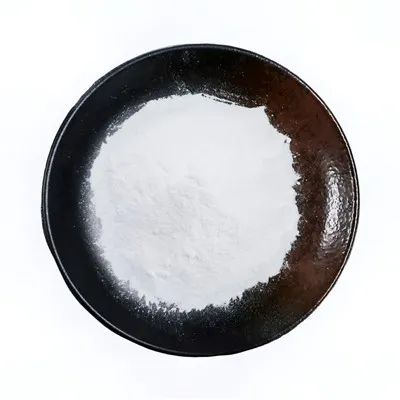
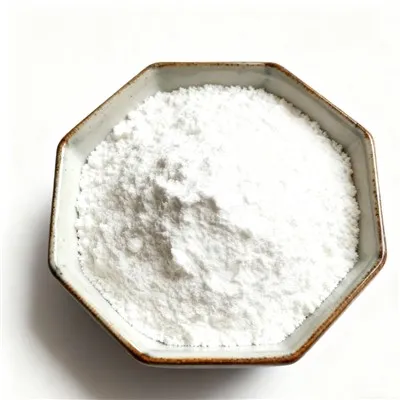
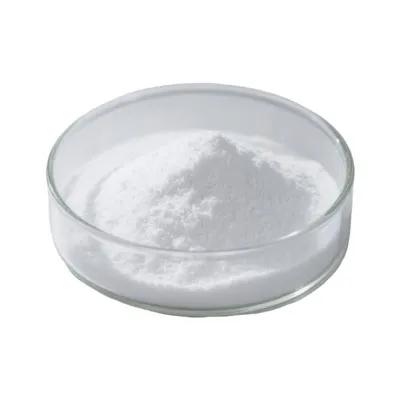
L-Isoleucine is an essential branched-chain amino acid that serves as a structural building block for protein synthesis and regulates metabolic pathways.
Technical Specifications
|
Category |
Parameter |
Specification / Limit |
|
Physical & Chemical Properties |
Appearance |
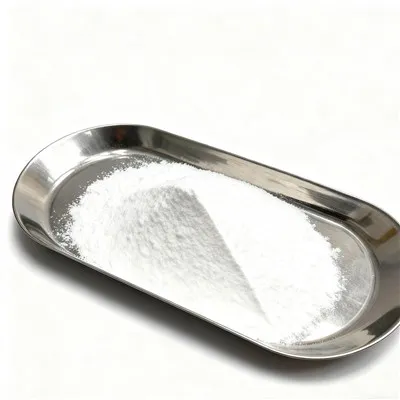
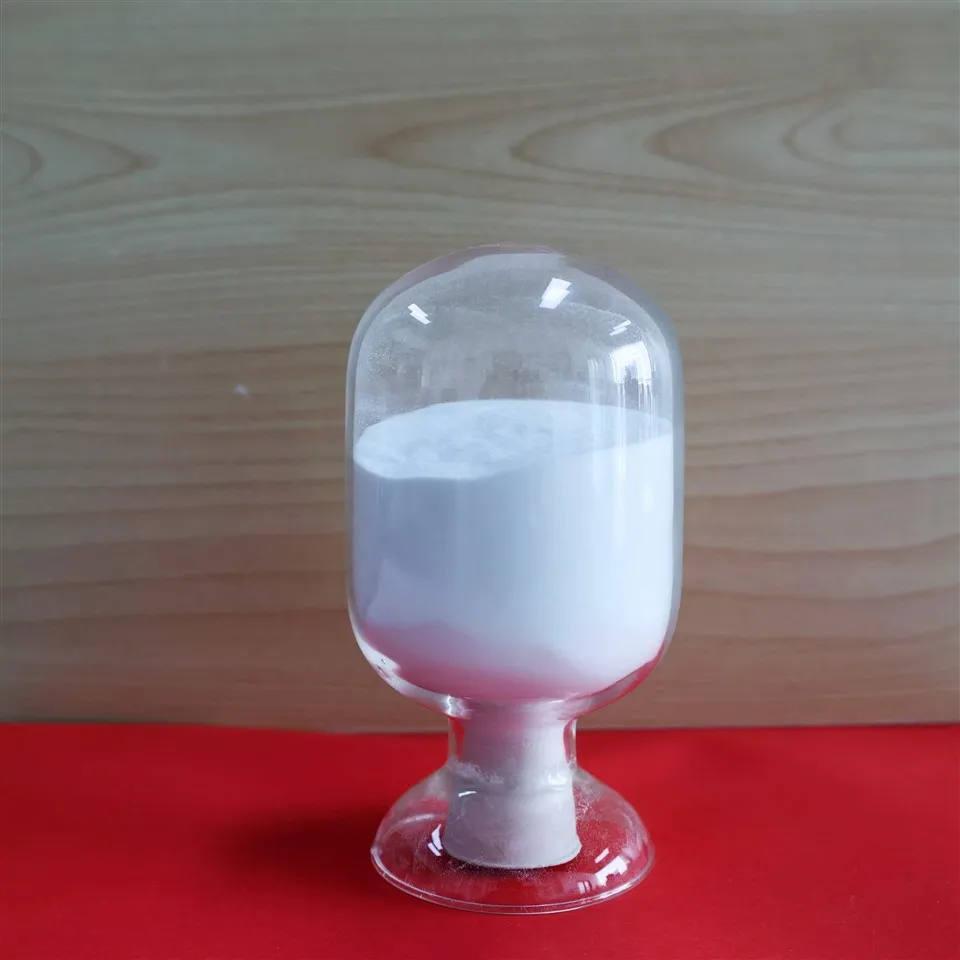
White crystals or crystalline powder; slightly bitter taste |
|
Specific Optical Rotation ([α]D20) |
+38.5° to +41.5° (on dried basis) |
|
|
pH Value |
5.5–6.5 (1.0% aqueous solution) |
|
|
Transmittance |
≥95.0% or ≥98.0% (1.0% aqueous solution at 430 nm) |
|
|
Purity & Impurity Control |
Assay |
98.5%–101.5% (on dried basis) |
|
Loss on Drying |
≤0.20% or ≤0.30% |
|
|
Residue on Ignition / Sulfated Ash |
≤0.10% |
|
|
Chloride (as Cl) |
≤0.02% or ≤0.05% |
|
|
Sulfate (as SO₄) |
≤0.02% or ≤0.03% |
|
|
Ammonium (as NH₄) |
≤0.02% |
|
|
Other Amino Acids / Related Substances |
Individual impurity ≤0.5%; Total impurities ≤2.0% |
|
|
Heavy Metals & Elements |
Heavy Metals (as Pb) |
≤10 ppm |
|
Arsenic (as As) |
≤1.0 ppm or ≤2.0 ppm |
|
|
Lead (as Pb) |
≤3.0 ppm (Food grade requirement) |
|
|
Microbiological Attributes |
Total Aerobic Microbial Count (TAMC) |
≤1,000 cfu/g |
|
Total Combined Molds and Yeasts (TYMC) |
≤100 cfu/g |
|
|
E. coli |
Negative / g |
|
|
Salmonella |
Negative / 25 g |
Manufacturing Process & Infrastructure
Uses crystallization lines for branched-chain amino acids calibrated for the specific solubility of branched-chain amino acids.
Employs specialized fermentation control parameters adjusted for fermentation conditions of this hydrophobic compound.
Validated isomer-separation processes used for separation of L-chiral form of the active L-chiral form.
Closed-loop vacuum concentration reduces thermal exposure during concentration of the amino acid powder.
Quality Assurance & Control Systems
Raw Material Control
Substrate testing verifies carbon source compliance with our production strain.
In-Process Control
In-process chiral assays monitor optical rotation and isomer profile optical rotation and molecular isomer orientation.
Impurity Monitoring
Calibrated HPLC protocols HPLC is used to monitor related impurities closely related branched-chain impurity profiles.
Physical Property Control
Laser diffraction monitors particle size distribution to control product dissolution rates.
Safety Release
Traceability protocols track batch purity from raw substrate through to final microbiological clearance.
Regulatory & Documentation
|
Document / Registration |
Scope & Relevance to the Production Facility |
|
Regulatory DMF (Type IV) |
Covers the specific microbial fermentation and downstream purification pathways. |
|
Chiral Monograph Compliance |
Aligns with current USP/EP branched-chain identity and rotation criteria. |
|
Origin Statement (BSE/TSE-Free) |
Certifies plant-based fermentation substrates, excluding animal-derived materials. |
|
Site Quality Certifications |
Holds updated ISO and food safety registrations for the facility. |
|
Batch COA & Traceability |
Links raw substrate verification data to final microbiological clearance. |
|
Change Control Protocols |
Governs manufacturing equipment, fermentation strain, or packaging modifications. |
Packaging & Logistics
Standard Packaging
Multi-layer fiber drums lined with anti-static polyethylene bags protect the hydrophobic crystalline powder from moisture.
Storage Conditions
Store in sealed containers away from strong odors to prevent cross-contamination.
Lead Time
Standard domestic dispatch for the fermentation-derived bulk powder usually initiates within two to three weeks.
COA Availability
Batch-specific analytical certificates accompany every shipment to confirm specific optical rotation and purity levels.
Batch Consistency
Controlled cooling rates during crystallization ensure consistent bulk density and flowability.
FAQ
Hot Tags: l-isoleucine, China l-isoleucine manufacturers, factory, bcaa amino acid premix, bcaa nutrient premix, food grade l aspartic acid, l glutamine amino acid additive, l glutamine food additive, l leucine bioprocess ingredient